

Hello, Illinois lawn care.
Weekly leads from the Chicago area's new homeowners
Cook County, Sep 28 to Nov 6: 3,078 houses, not condo units
houses, not condo units
Every company that applies lawn care products for pay takes on marker and notice duties under Illinois law: place a marker at each treated lawn other than a golf course, give the customer the required information, and notify neighbors who ask.
The buyer's side marks the principal residence box on Illinois's real estate transfer declaration, stating an intent to live there.
Illinois pesticide licensing for lawn care
What licenses does a lawn care company need in Illinois?
The Illinois Department of Agriculture administers the Illinois Pesticide Act, which licenses people, not companies. The person who owns or manages a business that applies pesticides for hire needs a commercial applicator license. No commercial applicator may use or supervise the use of any pesticide without that license. The commercial not-for-hire license covers people treating only their employer's property.
A person employed to apply pesticides on other people's land under a licensed applicator's direction needs an operator license. That license names the supervising applicator and the applicator's license number. Operators pass only the general exam. An operator must tell the department when the supervising applicator changes.
The Lawn Care Products Application and Notice Act counts fertilizers and pesticides alike as lawn care products and says anyone who applies them to lawns for pay must first be certified and licensed under the Pesticide Act.
What a commercial applicator license requires
- Pass the general competency exam first, then at least one category exam. Lawn work falls under Category 3, Ornamental and Turf Pest Control, with subcategories that include Turf Pest Control and Ornamental Pest Control. The exams are closed book and need 70% to pass.
- Proof of financial responsibility: a surety bond of at least $50,000 a year, or two $25,000 bonds (one for bodily injury, one for property damage), or liability insurance at the act's minimums. Insurance minimums are $50,000 per person and $100,000 per occurrence for bodily injury with a $500,000 annual aggregate, plus $50,000 per occurrence for property damage. Alternatively, a $100,000 combined single limit with a $500,000 aggregate. Canceling or reducing either bond or insurance requires 30 days' written notice to the department, which suspends the license until the minimum is met again.
- $300 for a commercial applicator license and $240 for an operator license, the fees in force from 2026. A license runs for the calendar year it is issued plus 2 more and expires on December 31 of its last year. In-person exams are free.
- Every licensee is recertified at least once every 3 years by passing the department's exam. Since 2026, the act also allows 15 hours of approved courses instead, subject to appropriation and available courses.
Marker and notice duties under Illinois law
LAWN CARE APPLICATION - STAY OFF GRASS UNTIL DRY - FOR MORE INFORMATION CONTACT:
The Illinois Department of Agriculture enforces the Lawn Care Products Application and Notice Act.
- Place the marker right after each application to any lawn other than a golf course, at the usual points of entry. This applies to homes and larger properties alike. The property owner or resident, or someone they authorize, takes it down the day after. No one else may remove it.
- At the time of application, give the customer each product's brand, common and scientific name, the type of product and why it was used, the concentration range and amount applied, any label directions for using the lawn afterward, and the business name and phone with the name of the person who applied it. The customer can also ask for each product's material safety data sheet and registered label. A neighbor whose property abuts or adjoins theirs may ask for the same.
- A neighbor whose property abuts or adjoins the customer's can ask the company for notice by giving a name, address and phone number. The company then gives that neighbor the date and approximate time at least the day before each application, in writing, in person or by phone. If the company can't reach them, it leaves a written notice at the home.
Violations bring administrative penalties of $250 for a first violation, $500 for a second and $1,000 for a third or later, or prosecution as a petty offense with the same fines.
Soil tests and timing for new lawns
Many new owners inherit a yard without knowing what it holds, says a post on an Illinois Extension blog, written for new homeowners by a Master Gardener volunteer in central Illinois. The post advises watching the yard through a full growing season, getting a soil test before renovating a lawn and taking monthly photos.
Putting down weed control and fertilizer at the same time typically gives up the best timing for one of them. Illinois Extension generally recommends against combined weed and feed products.
A 2010 amendment to Illinois law generally bars commercial companies from applying phosphorus fertilizer unless a soil test shows the soil lacks phosphorus.
Most Illinois soils contain enough phosphorus for a healthy lawn, per Illinois Extension.
Houses, not condo units
Cook County new owners, September 28 to November 6, 2026
Of the 4,733 Cook County new owners, 3,078 bought a house.
The median house was 1,512 square feet.
- 3,078 houses
- 1,655 condo units
How the list shows houses and condo units
The list doesn't show which addresses have lawns, but every row carries whether the sale was a house or a condo unit.
In Cook County, that field comes from the parcel number. In the other counties, the field is a guess based on whether the address includes a unit number, and those rows say so.
Cook County rows also add year built and house size in square feet.
When to mail by northern Illinois lawn seasons
In Cook County, the median new owner appears on the list about 20 days after the deed date.
The dates below are for cool-season lawns in northern Illinois. Some dates differ in central and southern Illinois.
-
Send a card to arrive a week or two into April, when crabgrass preventer season opens in northern Illinois.
Fertilizer holds off until mid-May.
-
Target late July for a card arriving in early August, the start of the late summer to early fall season for cool-season lawns in northern Illinois.
Aeration, overseeding and fertilizing are among the tasks in that window, and the seeding period in northern Illinois runs from early August to early September.
Grub damage typically begins in mid-August in Illinois, so an early-August card also fits a grub control offer.
- When should a new homeowner hear from a lawn care company?
The mail plan covers spring, early-August and mid-October mailings. A late-season card can land in mid-October, just before the northern Illinois winterizer window: late October to early November, about a week after the last mowing, per Illinois Extension.
- What are some lawn care marketing ideas for reaching new homeowners?
A card sent in early April can start with crabgrass preventer service, since the season opens by mid-April in northern Illinois. The seeding window for cool-season lawns in northern Illinois opens in early August, and a card arriving in that window can offer overseeding.
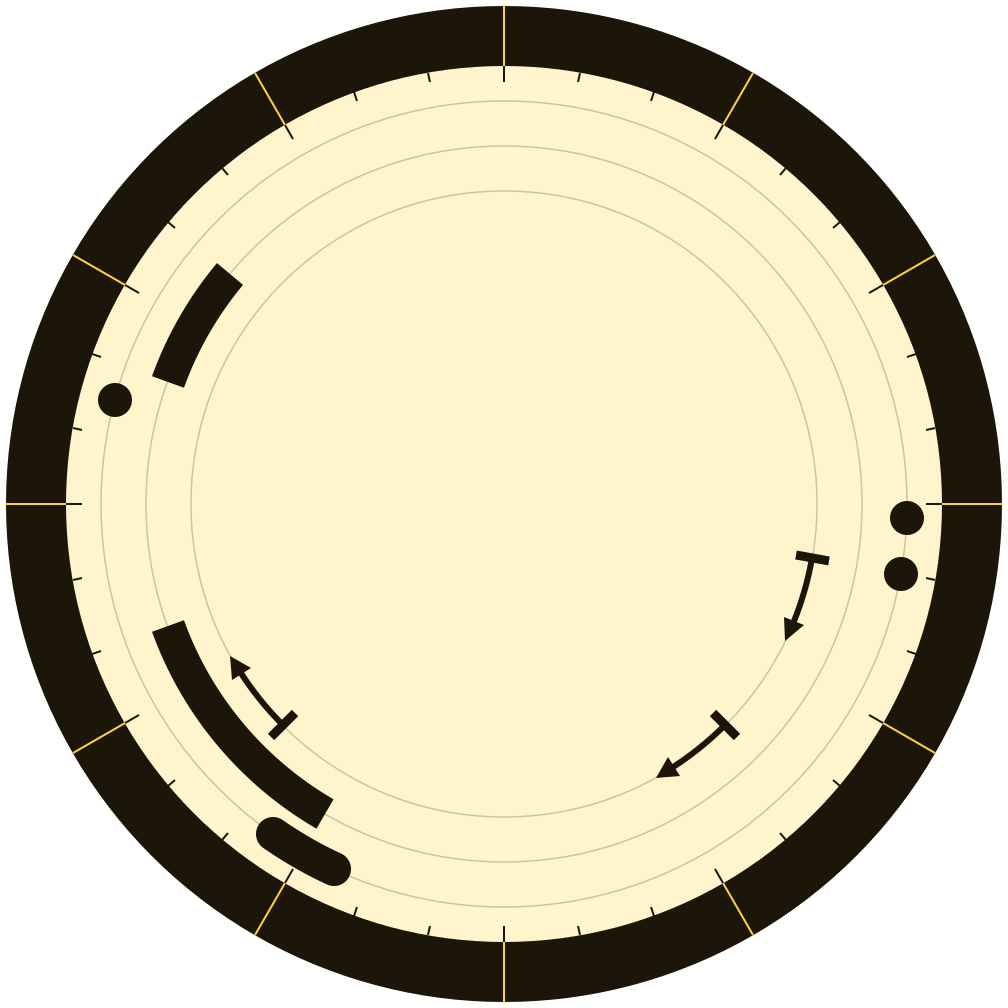
- Mail a spring card in early April.
- A spring card lands a week or two into April.
- Crabgrass preventer season opens in northern Illinois by mid-April.
- Fertilizer waits until mid-May.
- Mail a late-summer card in late July to land in early August.
- The seeding period for northern Illinois runs from early August to early September.
- Grub damage in Illinois typically begins in mid-August.
- A late-season card can land in mid-October.
- The northern Illinois winterizer window runs from late October to early November.
Monthly cost: list plus postcards for new owners in ten Chicago ZIPs
The table uses the Local plan at $49 a month, ten typical Chicago ZIP codes and Lob's smallest First-Class postcard at free-plan pricing.
| Local plan, per month | $49 |
|---|---|
| New owners a month, ten typical Chicago ZIPs | 251 |
| List cost per new owner | $0.20 |
| Lob's smallest First-Class postcard, per piece | $0.905 |
| List plus postcard, per new owner | $1.10 |
| Monthly total, list and postcards | $276 |
Biggest cities and Chicago ZIPs
The cities and Chicago ZIPs with the most new owners over the last 12 months.
| City | New owners, last 90 days90 d | New owners, last 12 months12 mo |
|---|---|---|
| Chicago Cook County | 5,147 | 20,538 |
| Naperville DuPage County | 451 | 1,631 |
| Aurora Kane County | 433 | 1,603 |
| Plainfield Will County | 397 | 1,472 |
| Elgin Kane County | 323 | 1,247 |
| Joliet Will County | 334 | 1,237 |
| Schaumburg Cook County | 236 | 858 |
| Arlington Heights Cook County | 201 | 846 |
| Orland Park Cook County | 222 | 841 |
| Des Plaines Cook County | 222 | 834 |
| Palatine Cook County | 216 | 812 |
| Tinley Park Cook County | 194 | 800 |
New owners by month
Monthly averages, Chicago area, since 2014
Monthly averages
| Month | Average new owners |
|---|---|
| January | 5,556 |
| February | 4,584 |
| March | 5,991 |
| April | 6,900 |
| May | 7,470 |
| June | 8,492 |
| July | 8,506 |
| August | 8,632 |
| September | 7,809 |
| October | 7,715 |
| November | 6,486 |
| December | 6,139 |
National guide to lawn care leads
More trade pages
Get the weekly list
Start with a free week to see the fields on a real row.